
Attend Anywhere

Attend Anywhere is a secure NHS video call service for patients with pre-arranged appointment times only.
If you would like to have a video consultation then please contact your service.

Virtual visiting and PALS
Click below to video call a friend or relative who is on our wards. Click on 'Contact Us' above to share your views and experiences, positive or negative, with our Patient Advice and Liaison Service.

Work for us
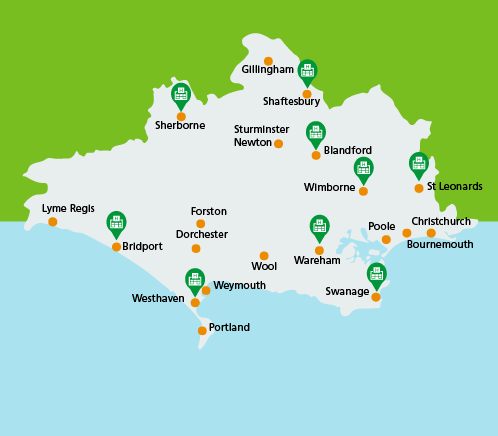
Whether working in busy urban locations such as Bournemouth, Poole and Weymouth or serving residents in rural areas, our 5,000-strong workforce is at the heart of what we do.
Access Mental Health

If you are struggling to cope or feel yourself nearing a breakdown, Access Mental Health is here to provide help.
A range of services which provide support at times and places when people need it the most.