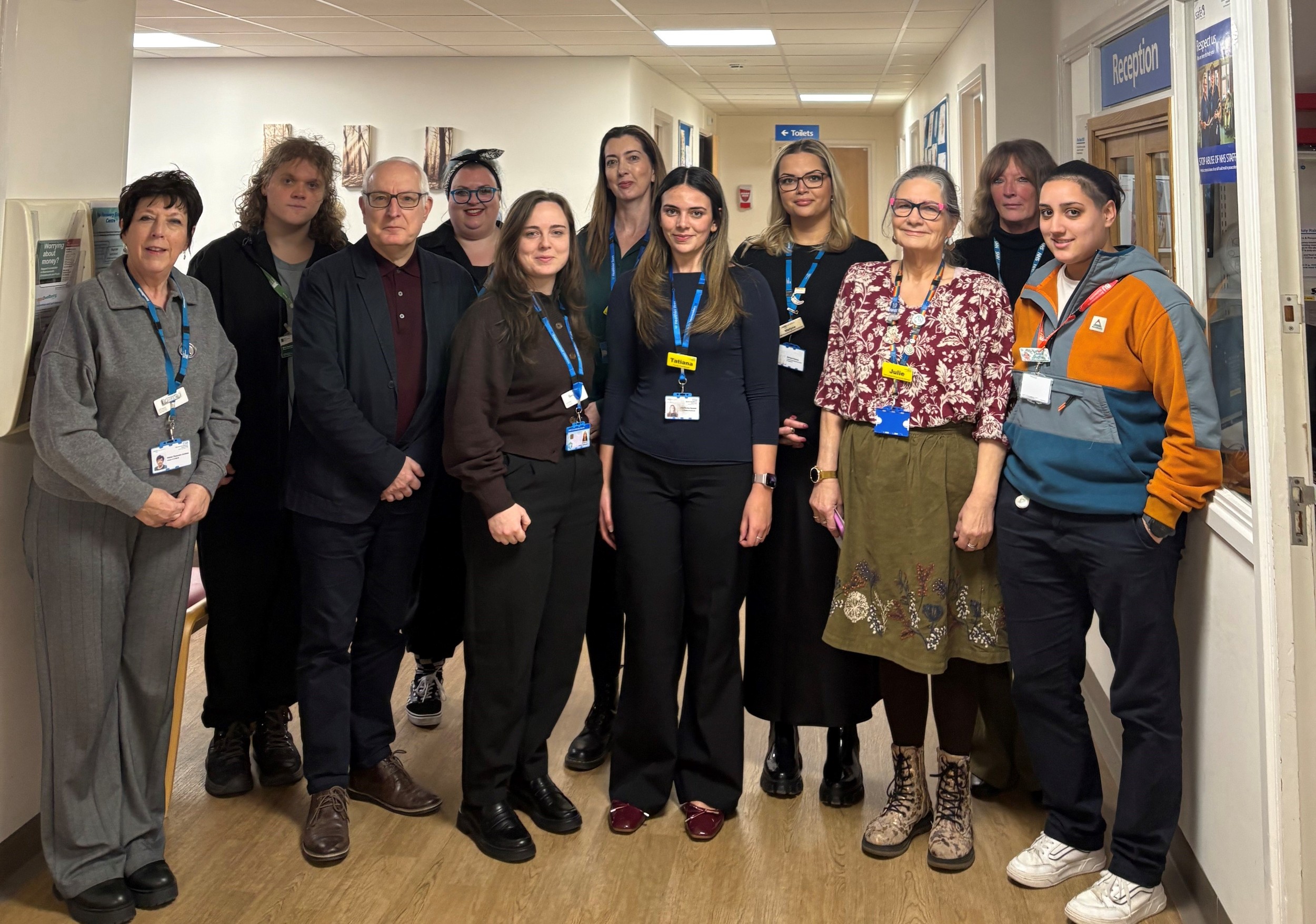
Ahead of Children’s Mental Health Week (9-15 February), a new sensory-friendly waiting room has opened at Dorset HealthCare’s child and adolescent mental health services (CAMHS) clinic in Poole.
The sensory-adapted space has been created following feedback from local people and is aimed at neurodivergent children and young people – including those with autism, ADHD or sensory processing differences – who may feel anxious or overwhelmed in busy clinical environments.
Neurodivergent young people make up around 80 per cent of CAMHS patients, and traditional clinical waiting areas can be overwhelming, increasing anxiety and creating barriers to accessing care, and in some cases stop young people getting the care at all.
The new waiting room in the Shaftesbury Road clinic reflects this year’s Children’s Mental Health Week theme – This is My Place – by creating a calm, welcoming, and inclusive environment, reducing anxiety and sensory overload, and helping young people feel safe and comfortable while waiting for appointments.
Martyna Rokosz, neurodevelopmental practitioner in the Poole CAMHS team, said:
“We’re really pleased to be opening this space. It will provide a supportive setting that promotes dignity and comfort for neurodivergent young people, who often find traditional clinical waiting rooms overwhelming and anxiety provoking.
“By reducing common sensory triggers that can lead to distress or disengagement, the space supports young people to feel calmer, safer and more able to access care.
“This project was developed with input from neurodivergent young people and reflects our Trust’s ongoing commitment to creating inclusive healthcare environments that recognise and respond to the diverse needs of children and young people.”
William Gallini-Poole, a young neurodivergent peer specialist and discovery peer co-ordinator for Dorset Mental Health Forum, was at the opening of the waiting room. He said:
“I can’t quite put into words how much a waiting room like this would have helped me. Waiting was always the hardest part. Something like this would have genuinely changed that experience, making it feel easier, more natural, and far less overwhelming. It really warms my heart – it’s brilliant to see.”
The waiting room was opened by Poole MP Neil Duncan‑Jordan. He said:
“Making our NHS accessible for everyone is a key to making a modern health service fit for the 21st century. Coming to a clinic for some neurodiverse children is a major challenge – and the environment they experience can make or break whether they even go through the door.
“This fantastic initiative really begins to have the children in mind, and it will bring real benefits for children, their families and the professionals involved.”
During Children’s Mental Health Week, Dorset HealthCare will be sharing social media posts about how the Dorset CAMHS team involves children, young people and families in the service. It ensures their voices are heard on things that matter to them, giving them a chance to help shape the future of young people’s care services.
Nikita Adams, CAMHS and mental health support teams (MHST) participation development lead, said:
“In CAMHS we truly believe it’s important that people’s experiences, stories and voices influence service design and delivery, and the sensory waiting room project is an example of patient voices being heard.
“We are going to be working on more projects around engagement, participation, and transformation for children and young people’s mental health this year. Keep a look out for ways to be involved.”
For more information visit the CAMHS website page. If you feel you’re in crisis, please call Connection – Dorset’s 24/7 mental health support helpline for all ages – on 0800 652 0190.